
Before buying
8 min read
Buying property in Wallonia: urban planning checks to make before signing
A property can look attractive on viewing day and still have an administrative situation different from what you assume. A few planning checks, at the right moment, prevent a lot of friction after signing.
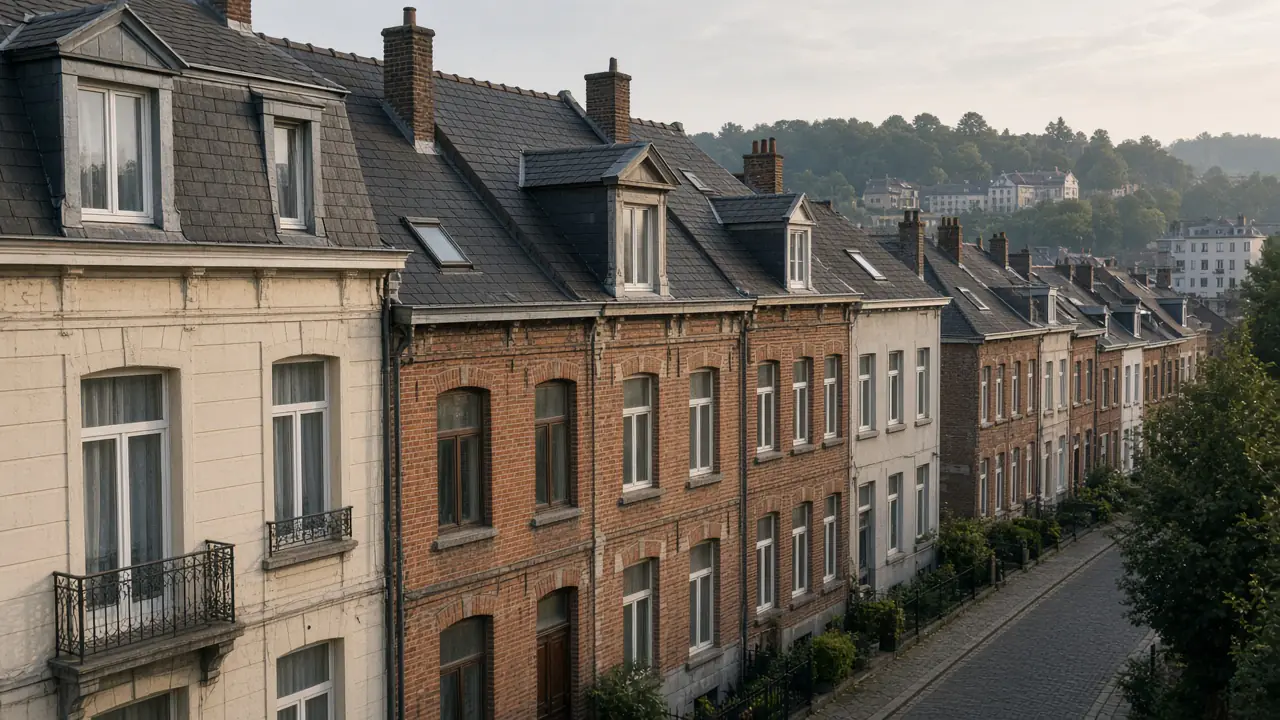
Why these checks matter
In Wallonia, the value of a property project is not only price per square metre or advertised yield. It also depends on what the property is **authorised** to be — and how that compares with what it **actually** is.
The aim is not to scare buyers. It is to decide with complete information, especially for investors and for anyone buying to convert, let or subdivide.
Planning checklist before you sign
Authorised use
Which use does the administration recognise (housing, retail, mixed…)? Premises used differently from their authorised function may require a permit or regularisation.
Actual use
Compare observed occupation (visit, leases, photos, fit-out) with authorised use. If a gap exists, name it early.
Number of authorised dwellings
A house marketed as “two flats” is not necessarily authorised as such. The recognised unit count often drives the letting strategy and value.
Existing permits
Ask for and read previous permits, including any conditions. Missing paperwork does not automatically mean there is no history — but it should trigger questions.
Drawings
Permit drawings vs sales plans vs the actual layout. Differences in volumes, openings or internal distribution are useful signals.
Possible infringements or gaps
Extensions, verandas, altered façades, converted rooms: cross-check them with the authorised situation. See also our article on regularisation.
Extensions and transformations
Visible works, recent or older: were they covered by an appropriate permit? Depending on the case, the answer reshapes the post-purchase budget.
Change of use
Planning to turn a shop, office or outbuilding into housing? Check feasibility **before** basing the business plan on that conversion.
Rental permit (where applicable)
For some dwellings offered for rent, an SPW rental / compliance permit may be required. Anticipating it avoids a letting delay.
PEB information
The PEB energy label informs energy performance. It does not replace planning analysis, but it influences works budget, rental appeal and phasing.
Municipal information
Local regulations, schemes and guidance (for example the City of Liège guidance on subdivision) can add requirements beyond the regional framework.
The trap of the “property that presents well”
An appealing investment can combine:
- an attractive advertised yield
- works already carried out
- an apparent multi-unit layout
… while resting on a narrower or incomplete administrative situation. That is not rare. It is also not a dead end: many files find a clear path once the gap is objectified. You still need to see it **before** you commit.
When a diagnostic helps
An urban-planning diagnostic is especially useful when:
- the property has been altered or extended
- several dwellings exist or are planned
- the use has changed or must change
- you buy to renovate, let or resell quickly
- documents provided are incomplete or contradictory
Takeaway
Before signing in Wallonia, align authorised situation, actual situation and your project. The checklist above covers recurring points; a diagnostic goes into detail on the specific property. Information, not alarm: that is what secures a purchase decision.
The information in this article is general and may change. Every planning situation must be assessed against the property, its location and the rules that apply.
Is your situation specific?
Every property and every municipality can involve particular constraints. Urbexa analyses your situation and supports you through the planning process.
Related reading
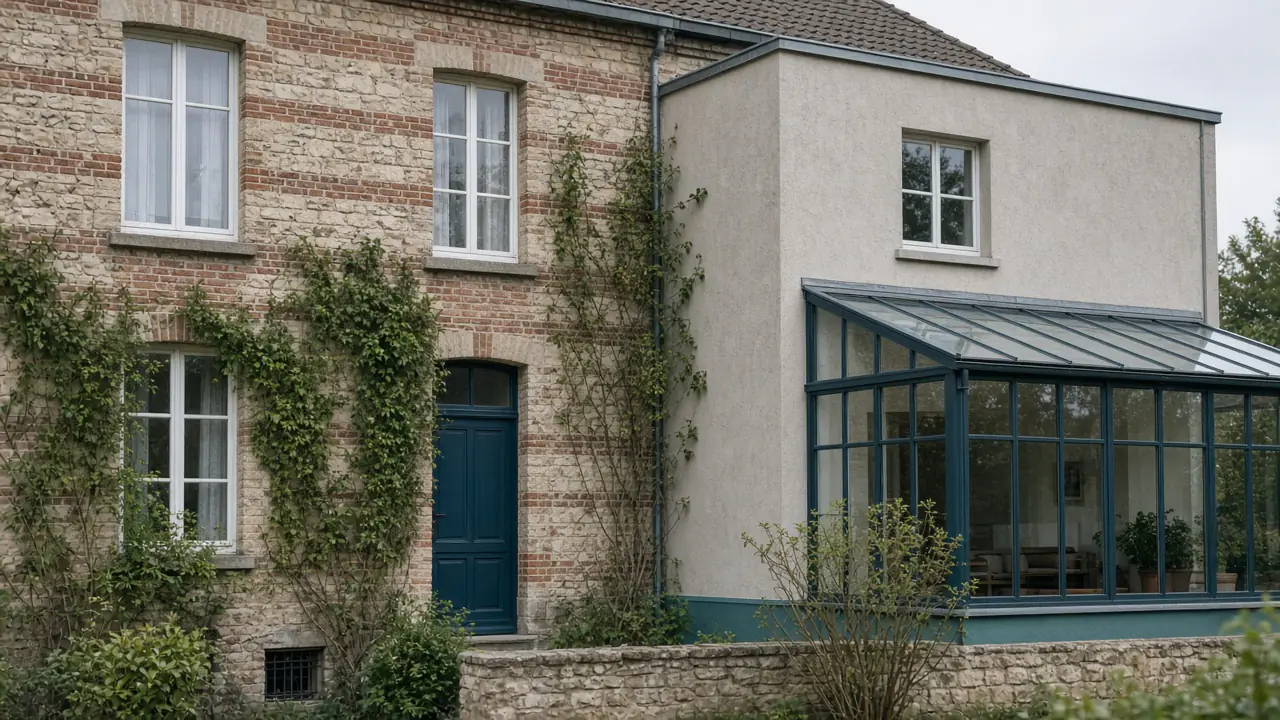
Regularisation
Urban planning regularisation in Wallonia: what to do when a property is not compliant
Undeclared extension, veranda, change of use: how to analyse a planning discrepancy and approach regularisation in Wallonia.
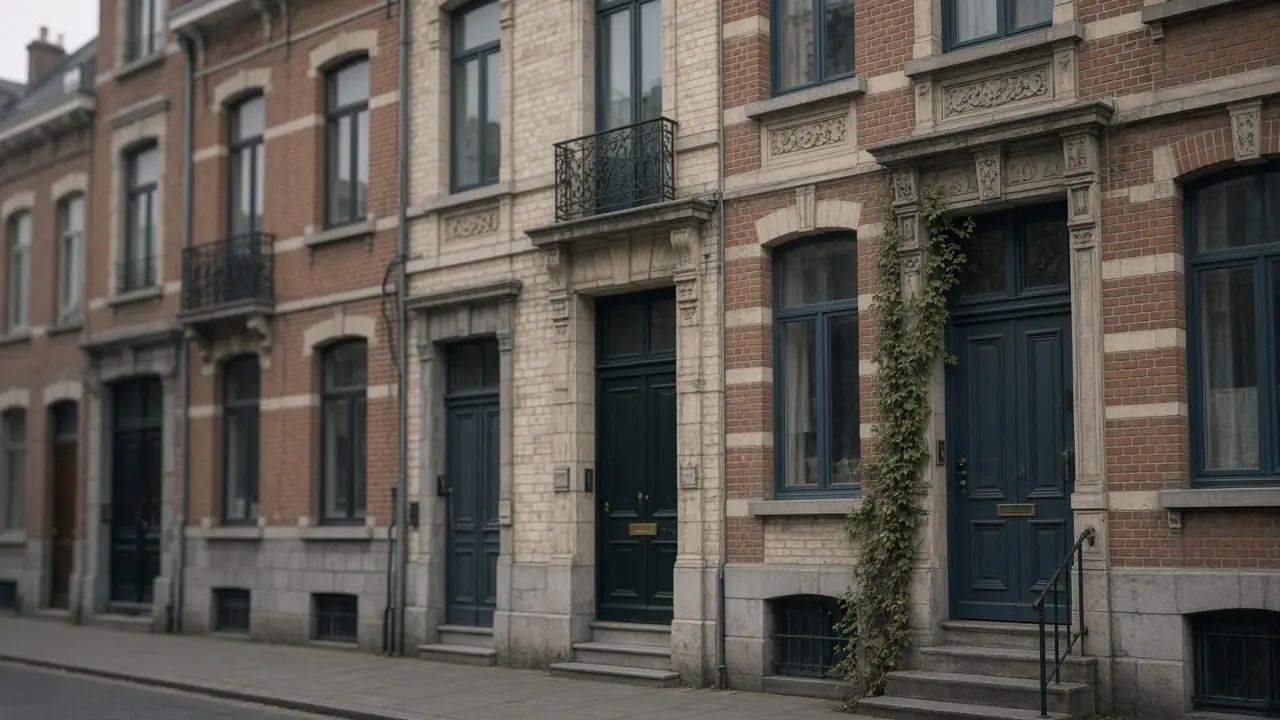
Building subdivision
Dividing a house into several units in Liège: permits, rules and key considerations
Before you buy or start works, check whether subdividing a house in Liège is planning-feasible: permits, habitability, parking and municipal requirements.